
By Kaitlyn Thornton
Welcome to the inaugural edition of Notes From the Lobby, a new column dedicated to cinema design and experience. From wider programming trends and hospitality cues to design details and everything in between, this space will explore the evolving art of theatergoing.
Cinema has always been a shape-shifter. As a new medium in the late 1890s, it appeared as a novelty act inside vaudeville halls; by the 1910s, it had inspired the great picture palaces; and by the 1970s, it had expanded into the multiplex template that would become the default setting for mainstream moviegoing. Now, the streaming age is pressing the theater experience to reinvent itself once again.
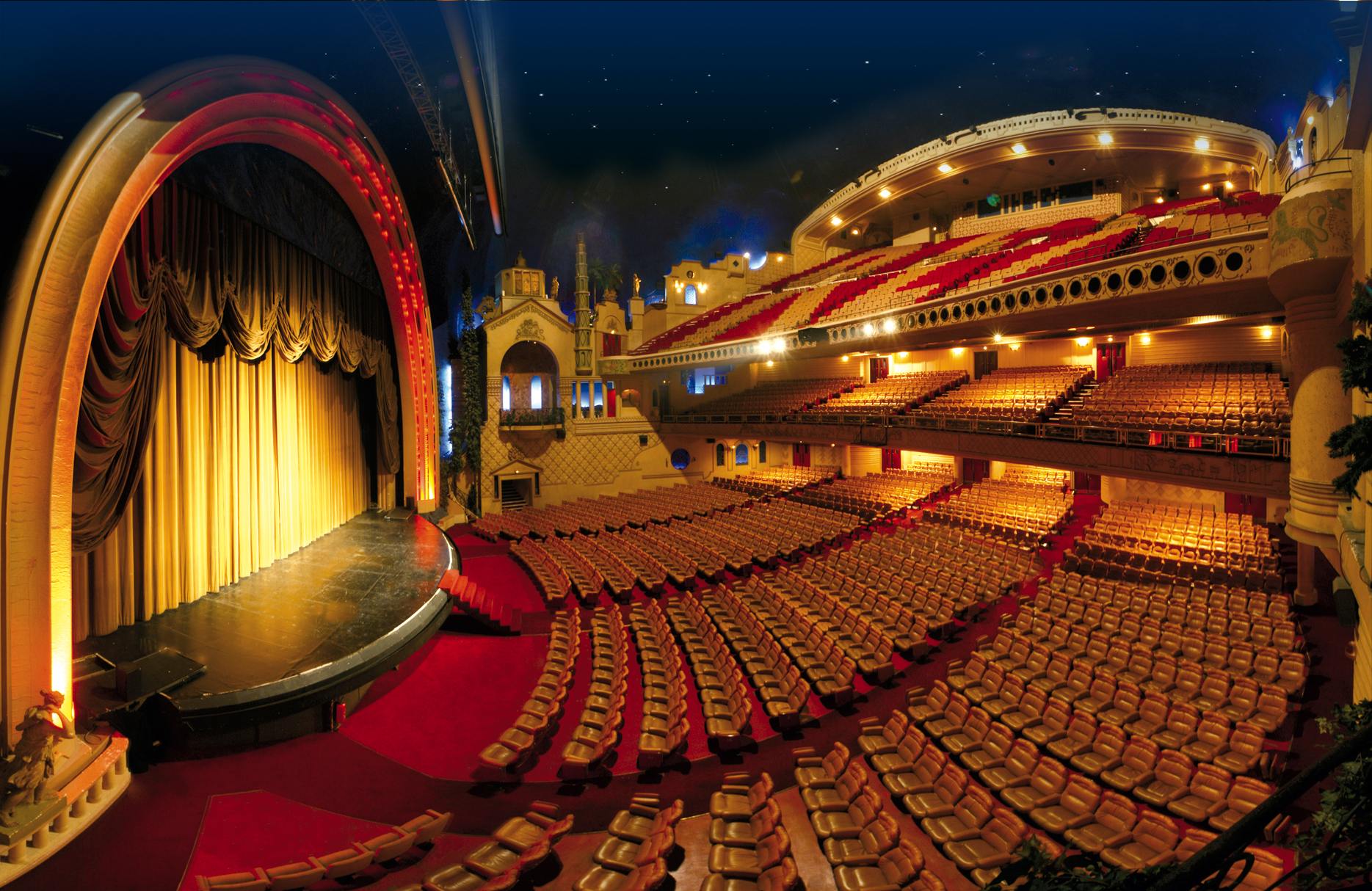
There is no better place to witness the full scope of cinema experience than Europe. Perhaps it’s because the French take their cinema very seriously; but regardless, we’ll be starting in Paris, where Le Grand Rex proves that the picture palace of the 1920s is not only alive, but thriving. Built for cinematic events—big premieres, roaring crowds, blockbuster auditoriums—it reminds us that film can still command appointment viewing. The space itself is a celebration: a joyous, maximal monument to movies with its gilded, high-gloss champagne bar, candy red carpet, and starry ceiling scheme.
For decades, film theory has been preoccupied with the in-theater experience—the darkness, the hush, the womblike separation from the outside world. It’s all very Jungian. But the idea of the theater itself as a designed experience has often been treated as secondary, if not mildly suspect: a distraction from the moving image rather than part of its spell.
And yet, some of the most interesting cinemas today are proving the opposite. I am reminded of the neon lighting details at Helios in Gdynia, Poland, a self-reflexive ode to Blade Runner, or the art-house cinema Elysées Lincoln in Paris, with its psychedelic Art Deco vibe and crushed-velvet seats. The cheeky nightclub aesthetics of neighborhood Everyman locations couldn’t feel further from the nondescript corporate movie theater template of the 1990s.
Everyone from hotels to restaurants to gyms to cinemas is trying to answer the same question: What makes a space worth leaving the couch for? Hospitality design shows a path forward, and like airports and retail before them, cinemas are finally taking the hint.
Theaters are having fun, stepping out with point-of-view driven design and new perspectives around cinemagoing as a hospitality identity. The auditorium is becoming an experience in its own right, opening up new possibilities like dine-in offerings, striking design character, and playful brand personalities.
Theaters might be shrinking in size, but they’re trading churn for deeper community connection. Moviegoing is reaching beyond the movie itself. Integrated bookstores, membership programs, award-winning print publications, activations from speaker series to trivia nights, and even education platforms are popping up.
We are witnessing a shift in how we define what a cinema really is: as a typology, as a civic and cultural gathering space, and as a vehicle for experiencing art together. Movies are full of soul; it’s about time mainstream theaters reflected some soul of their own. I can’t wait to explore the evolving world of cinema experience in this column—and I promise to keep the eyeroll-inducing theory references to an absolute minimum.
Kaitlyn Thornton is a film academic, writer, design leader, and Founder of Plotwork, a private real estate advisory firm based in New York City specializing on a cinematic approach to the built environment.




Share this post